Shape
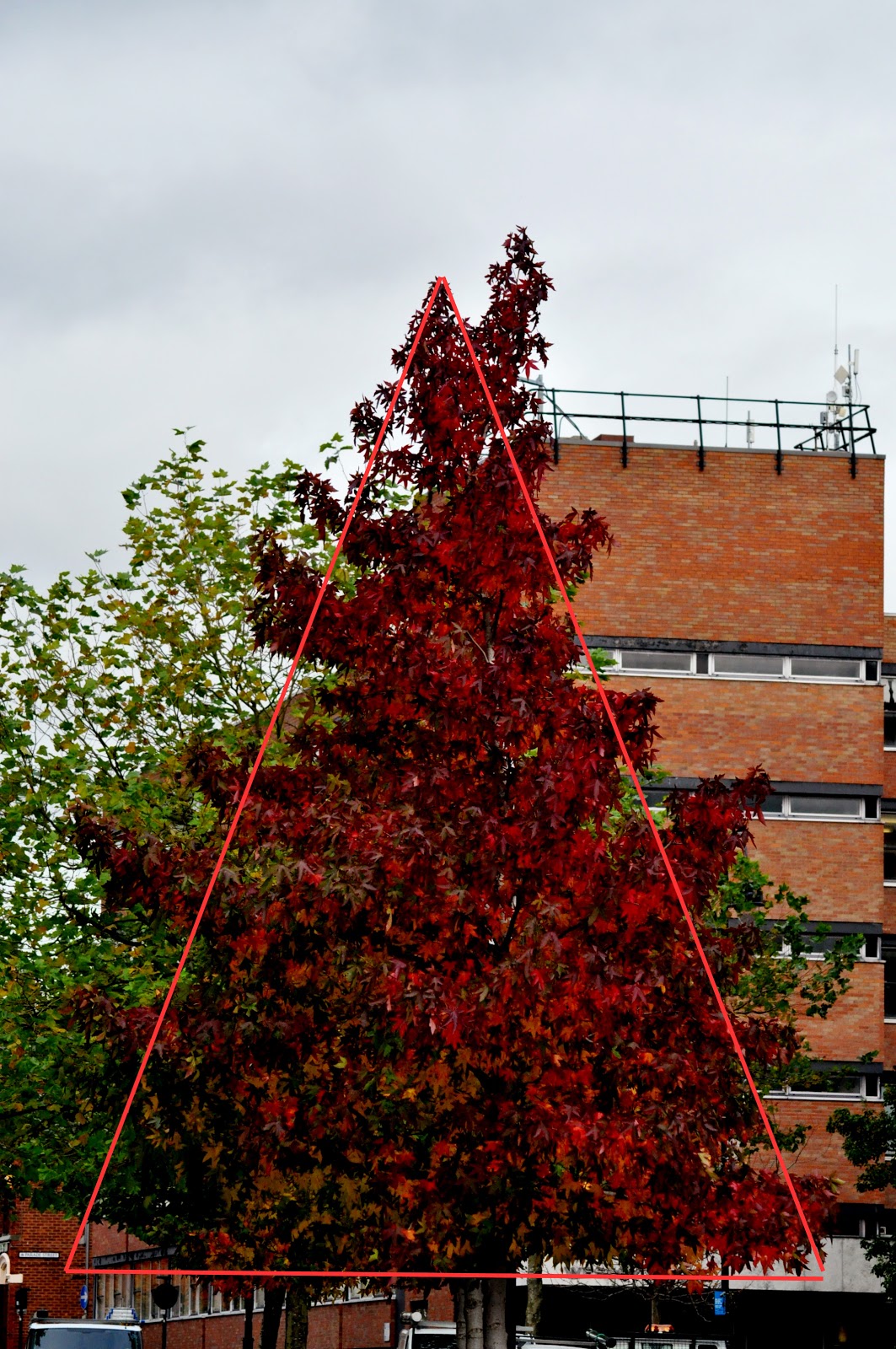
Shapes are the result of closed lines. However shapes can be visible without lines when an artist establishes a colour area or an arrangement of objects within the camera's viewfinder. Some primary shapes include circles, squares, triangles and hexagons all of which appear in nature in some form or another.Space is defined and determined by shapes and forms. Positive space is where shapes and forms exist; negative space is the empty space around shapes and forms. For images to have a sense of balance positive and negative space can be used to counter balance each other.The way subjects connect to each other in a photo forms shapes that draw the eye from subject to subject. If the photo composition lacks shape, then the photo becomes too busy and awkward to appreciate. Some shapes are more effective than others in providing an interesting frame for your photo. For example, squares and circles tend to be too symmetrical and leave too much empty space or negative space, around the subjects. The shapes that work best for composition are triangles and diamonds.Triangles can be formed a few different ways:If your subject is already triangular or diamond-shaped (like a pyramid), the viewer’s eye will automatically focus on that shape.
Shapes are two-dimensional and while triangular shapes represent magic, creativity, strength, and endurance, squared and rectangular ones indicate integrity, community, stability, and structure. In the natural world, squares and rectangles are not often present and mostly can be observed in the manmade world. Triangles appear in nature as mountain peaks, evergreen trees, or sometimes in tiny mushrooms.
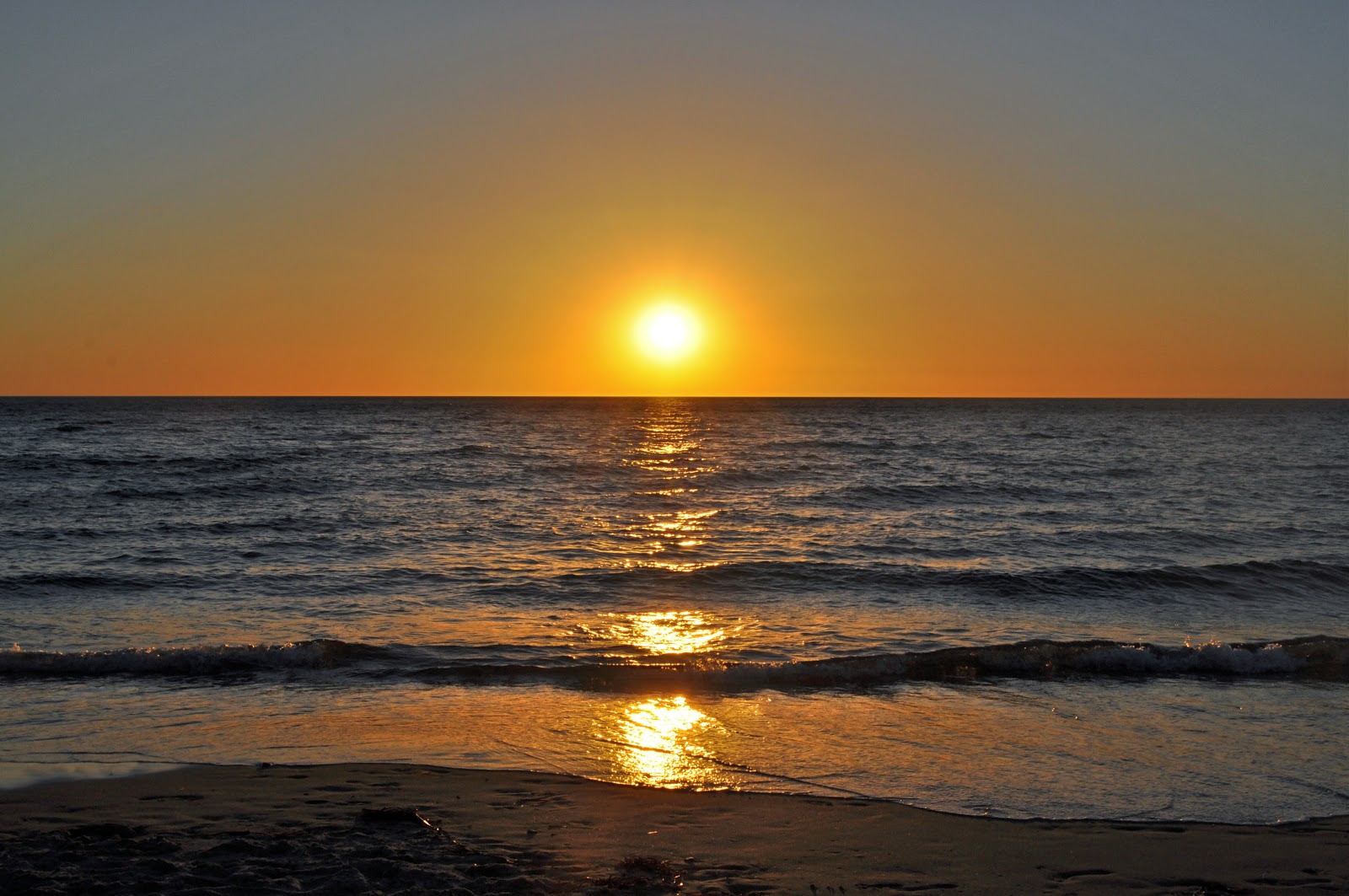
Circles composed of a single, unbroken line represent wholeness and convey a protecting, surrounding character. Circles are seen quite often in nature. By their enormous size, the planets, the sun, and the moon are the most powerful circular shapes in nature, but many smaller circles can be found in dewdrops, berries, and flower blossoms.
Silhouettes are a great way of highlighting your shape in your photograph. In this image I tried to portray me and my girls unity and us embracing the beautiful sunset, I think capturing this image as a silhouetted strengthened our shape as being the main focus
Form
Form is the three-dimensional counterpart to shape. Shape is to form as a square is to a cube. In the three-dimensional world, the basic geometric forms are cube, sphere, pyramid, cylinder and cones.
Form is shape with dimension or volume. To change a shape to a form, dimension must be created by the adding one or color within the shape.
As I discussed earlier in this post, shapes can create form. Lighting and volume helps create mass in imagery too.
Edward Weston-Attic
The image on the left is by an artist name Edward Weston. The majority of his images involved a high emphasis on shape and form.
This image for emaple, the background could be completely flat for all we know but thanks to lines and shapes and and volume is created by using tone...we will discuss tone later in this blog.
Shape is everywhere, I went out into the wild (st helens) to find images that had a strong emphasis on shape and form: